
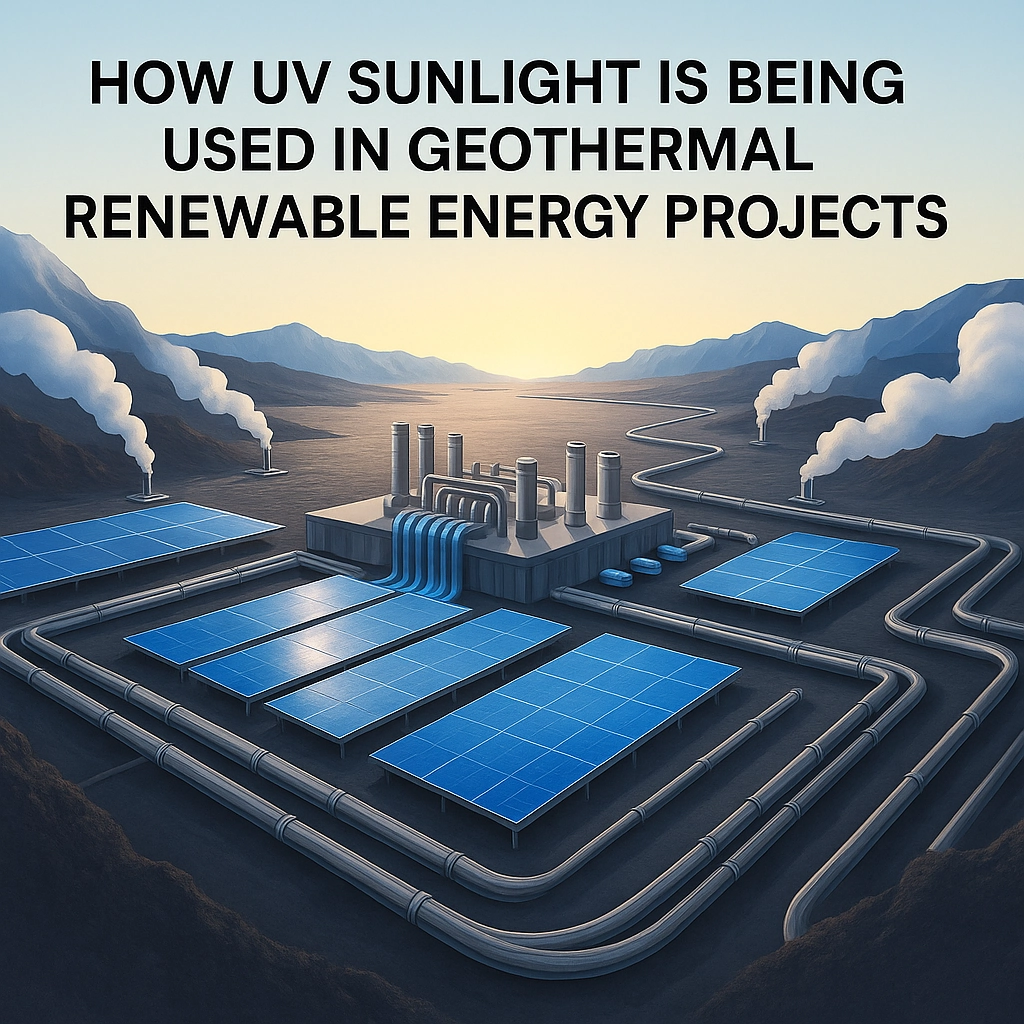
The Unexpected Partnership: UV Energy and Geothermal Systems
When most people think of renewable energy, they typically picture solar panels capturing sunlight or wind turbines spinning in the breeze. Geothermal energy—drawing heat from deep within the Earth—often flies under the radar despite its immense potential. But what happens when we combine these different renewable approaches? At Kite Energy, we're seeing exciting developments in hybrid renewable systems that leverage both Earth's internal heat and the power of the sun.
While traditional geothermal systems don't directly utilize UV sunlight, innovative engineers and energy specialists are finding creative ways to integrate these complementary energy sources. This blog explores the emerging synergies between UV solar energy and geothermal systems, creating more efficient and resilient renewable energy solutions for facility managers and property owners.
Understanding Traditional Geothermal Energy
Before diving into hybrid approaches, let's establish a baseline understanding of geothermal energy. Geothermal power harnesses heat generated from the Earth's core—primarily from radioactive decay of elements like uranium, thorium, and potassium, plus residual heat from the planet's formation billions of years ago.
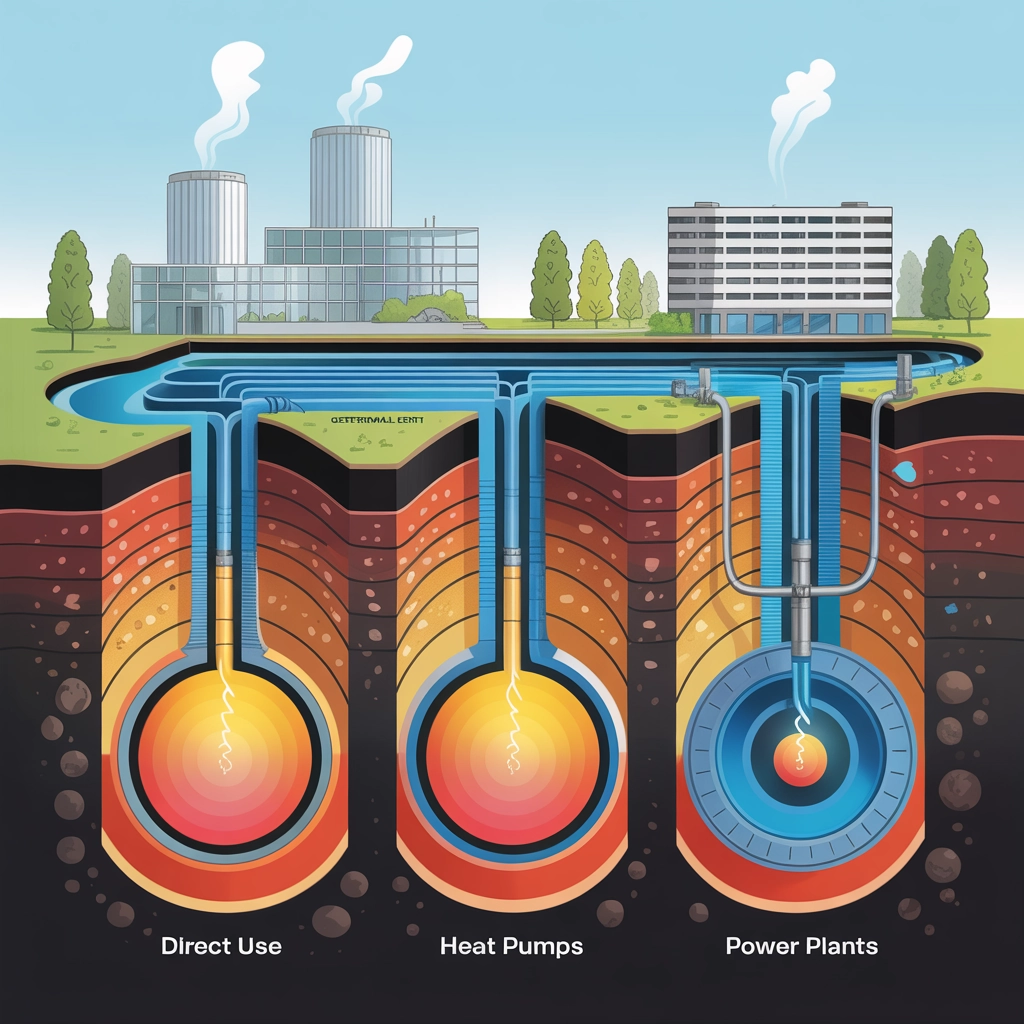
Traditional geothermal systems fall into three main categories:
- Direct use systems - Utilizing hot water from underground reservoirs for heating buildings, greenhouses, or industrial processes
- Geothermal heat pumps - Transferring heat between buildings and the relatively stable temperatures just below the Earth's surface
- Geothermal power plants - Converting underground steam or hot water into electricity
These systems have tremendous advantages—they produce minimal emissions, operate 24/7 regardless of weather conditions, and have tiny land footprints compared to other renewables. However, they're geographically limited to areas with suitable underground thermal resources.
The Solar-Geothermal Nexus: Where Innovation Happens
While conventional wisdom treats solar and geothermal as separate renewable pathways, forward-thinking energy specialists are discovering powerful synergies between them. Here's where UV sunlight enters the geothermal equation:
Enhanced Geothermal Systems (EGS) with Solar Preheating
One of the most promising intersections involves using concentrated solar power (CSP) to preheat water before it's injected into enhanced geothermal systems. This creates a fascinating hybrid where:
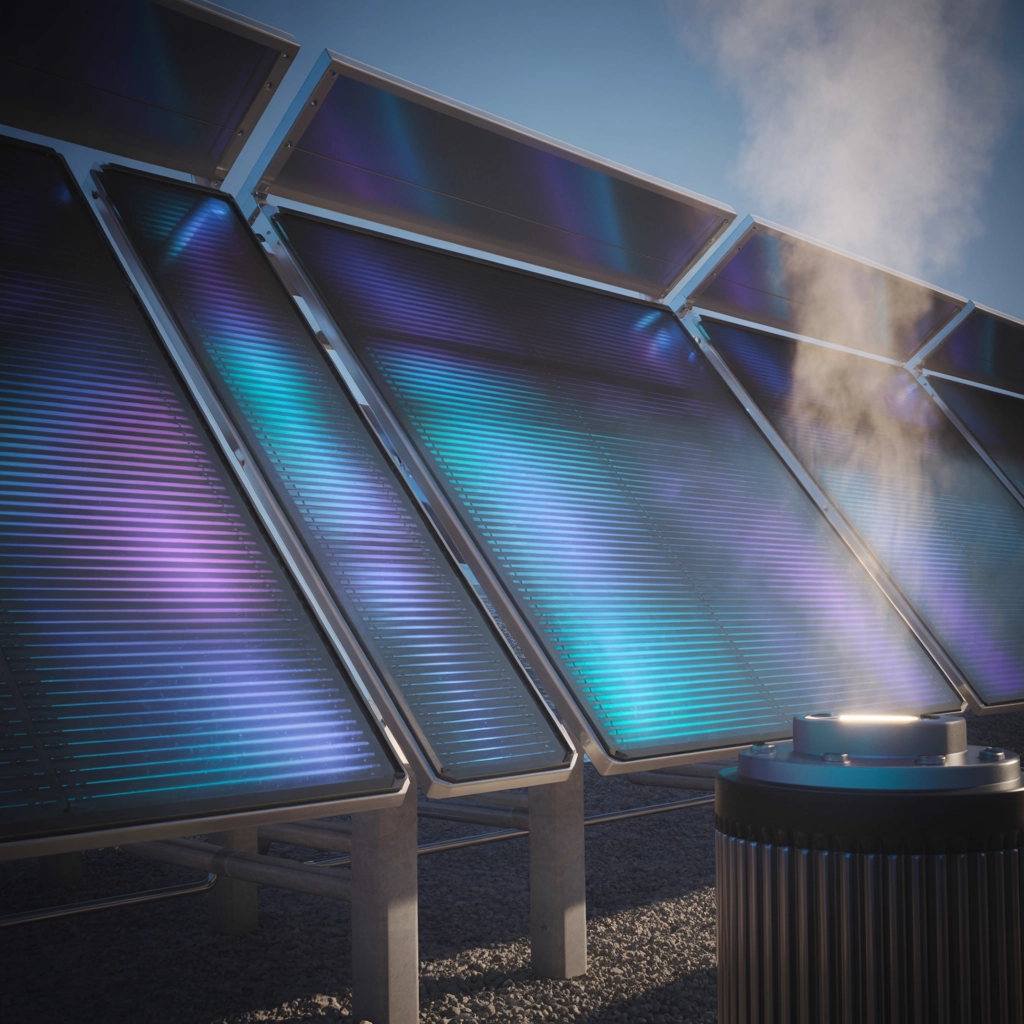
- Solar thermal collectors capture UV and broader spectrum sunlight
- This energy preheats the working fluid (typically water)
- The preheated fluid requires less additional heating when injected underground
- The overall system efficiency improves significantly
- The geothermal component provides stability when sunlight isn't available
This approach effectively addresses one of solar energy's biggest challenges—intermittency—while extending the geographic viability of geothermal applications.
Solar-Powered Geothermal Heat Pump Systems
Another innovative application combines photovoltaic (PV) solar panels with geothermal heat pumps:
- PV panels convert sunlight (including UV wavelengths) into electricity
- This clean electricity powers the pumps and compressors in geothermal heat pump systems
- The result is a nearly zero-emission heating and cooling solution
- Smart controls optimize when to draw power from solar vs. the grid
- Battery storage can further enhance system resilience
For commercial facility managers, this combination offers impressive energy cost savings while significantly reducing carbon footprints. At Kite Energy, we've helped numerous clients implement these integrated systems with remarkable ROI.
The Science Behind UV-Enhanced Thermal Applications
UV light represents the higher-energy portion of the solar spectrum. While invisible to the human eye, these wavelengths pack substantial energy that can be captured and utilized through specialized materials and coatings.
Recent material science breakthroughs have produced:
- Advanced selective absorber coatings that maximize UV capture efficiency
- Photocatalytic materials that use UV to drive chemical reactions that store energy
- UV-resistant heat transfer fluids with extended operational lifespans
- Transparent insulation materials that trap heat while allowing UV transmission
These technological advances enable more efficient energy capture across the solar spectrum, including the often-underutilized UV portion.
Real-World Applications: Where Theory Meets Practice
Case Study: Commercial District Heating
In several Nordic countries, large-scale solar thermal fields are being integrated with geothermal district heating networks. These systems:
- Collect solar energy (including UV) during summer months
- Store excess heat in underground thermal energy storage (UTES)
- Draw from geothermal sources during winter or cloudy periods
- Maintain year-round heating reliability for commercial districts
- Reduce fossil fuel dependence by up to 85% compared to conventional systems
Hybrid Power Generation
Some pioneering facilities are now using solar-geothermal hybrid approaches for electricity generation:
- Concentrated solar power systems generate steam during daylight hours
- The same turbines utilize geothermal steam during nighttime or cloudy conditions
- The shared infrastructure reduces capital costs compared to separate systems
- Grid operators benefit from more consistent, predictable renewable generation
- Overall capacity factors exceed what either technology could achieve independently
Agricultural Applications
The greenhouse industry has been particularly quick to adopt hybrid solar-geothermal solutions:
- UV-transparent coverings allow plants to receive beneficial UV light
- Geothermal systems provide consistent root-zone heating
- Solar thermal systems handle peak daytime heating requirements
- The combination optimizes growing conditions while minimizing energy costs
- Year-round production becomes economically viable even in harsh climates
Benefits for Facility Managers and Property Owners
For commercial property managers considering renewable energy options, solar-geothermal hybrid systems offer compelling advantages:
- Enhanced reliability: The geothermal component provides baseline energy regardless of weather or time of day
- Space efficiency: These systems can share infrastructure and space, maximizing energy production per square foot
- Extended geographic viability: Areas with moderate geothermal resources become viable when solar components supplement them
- Improved ROI: The combination often delivers better financial returns than either technology alone
- Resilience: Critical operations can continue during grid outages or extreme weather events
At Kite Energy, we specialize in helping property owners navigate these complex but rewarding renewable investments.
Implementation Challenges and Solutions
While the benefits are substantial, implementing hybrid solar-geothermal systems does present challenges:
Integration Complexity
These systems require sophisticated controls to optimize the interplay between solar and geothermal components. Modern building management systems with machine learning capabilities can significantly improve performance by predicting energy needs and available resources.
Initial Investment
The upfront costs can be higher than single-technology approaches. However, various financing options, including:
- Power Purchase Agreements (PPAs)
- Energy-as-a-Service (EaaS) contracts
- Federal and state incentives
- Green bonds
These financial tools can make these systems accessible without capital expenditure. Our investors page provides more information on financing options.
Technical Expertise
Few contractors have experience with both solar and geothermal technologies. Partnering with integrators who understand both fields is crucial for successful implementation. Kite Energy's network of certified partners bridges this expertise gap.

Future Directions: What's Next for Solar-Geothermal Integration
The field continues to evolve rapidly, with several promising developments on the horizon:
Advanced Thermal Storage
Next-generation thermal storage technologies will further enhance the synergy between intermittent solar resources and consistent geothermal heat:
- Phase-change materials optimized for different temperature ranges
- Thermochemical storage with higher energy density
- Underground thermal batteries with seasonal storage capacity
- Smart thermal grid integration for community-scale applications
Direct UV-to-Chemical Energy Conversion
Emerging technologies are exploring ways to use UV light to directly drive geochemical processes that could enhance geothermal energy extraction:
- Photocatalytic water splitting to generate hydrogen fuel
- UV-activated tracers for better underground reservoir mapping
- Photochemical treatments to reduce scale buildup in geothermal wells
- UV disinfection of geothermal fluids to prevent biofouling
AI-Optimized System Management
Artificial intelligence is revolutionizing how hybrid energy systems operate:
- Predictive algorithms that optimize energy flows between solar and geothermal components
- Automated maintenance scheduling based on real-time performance monitoring
- Weather-adaptive operation modes that maximize overall system efficiency
- Grid interaction strategies that capitalize on time-of-use rate structures
Conclusion: A Brighter, Warmer Future
The integration of UV solar energy with geothermal systems represents one of the most promising frontiers in renewable energy. By combining the high-energy potential of UV light with the reliability and consistency of geothermal resources, we're creating energy systems that are greater than the sum of their parts.
For facility managers and property owners, these hybrid approaches offer a compelling path toward energy independence, sustainability, and long-term cost stability. While traditional siloed approaches to renewable energy will continue, the most exciting innovations are happening at the intersections where technologies like solar and geothermal complement and enhance each other.
At Kite Energy, we're committed to helping our clients navigate these complex but rewarding technological frontiers. Whether you're managing commercial properties, industrial facilities, or institutional campuses, our team can help you evaluate, implement, and optimize hybrid renewable energy solutions tailored to your specific needs.
Ready to explore how UV-enhanced geothermal solutions might benefit your facility? Contact our solutions team today for a no-obligation consultation.